
Describe the property
Send the location, symptoms, equipment and access details. State whether the work is a repair, replacement or planned project.
Need plumbing help in Grand Bend? Tell us about the leak, blocked drain, fixture or water heater. A responding provider will confirm coverage and availability before booking.
Get A Free QuoteCompare tank and tankless capacity, fuel, venting, and vacancy precautions for a Grand Bend property with seasonal or year-round hot-water demand.
View scopeCompare snaking and hydro-jetting for the pipe’s condition, and consider camera inspection when blockages repeatedly return.
View scopePlan PEX or copper replacement around existing pipe materials, tight crawlspaces, pump rooms, and any seasonal-to-year-round conversion.
View scopeScope toilets, faucets, outdoor showers, or addition rough-ins by checking connections, drainage, frost exposure, and project stage.
View scopeDocument moisture and access conditions when comparing acoustic or pressure-isolation investigation and possible freeze-damage repairs.
View scopeCompare pump capacity, pit and discharge conditions, battery backup, and seasonal inspection needs for the property.
View scopeUse water-source details and test results to compare softening or filtration, with occupancy and utility-room fit in mind.
View scopeWater treatment should be selected from test results and the property’s actual water source, not from a seasonal assumption. If a Grand Bend home uses a private well, arrange suitable water testing and share the results before comparing softeners or iron treatment. For a property on a municipal supply, confirm the source and identify the specific concern, such as scale or staining. Also note occupancy patterns, regeneration settings, drain access, and utility-room dimensions, since these affect equipment selection and installation scope.
Compare tank and tankless capacity, fuel, venting, and vacancy precautions for a Grand Bend property with seasonal or year-round hot-water demand. Compare snaking and hydro-jetting for the pipe’s condition, and consider camera inspection when blockages repeatedly return. Plan PEX or copper replacement around existing pipe materials, tight crawlspaces, pump rooms, and any seasonal-to-year-round conversion.
Scope toilets, faucets, outdoor showers, or addition rough-ins by checking connections, drainage, frost exposure, and project stage. Document moisture and access conditions when comparing acoustic or pressure-isolation investigation and possible freeze-damage repairs.
Compare pump capacity, pit and discharge conditions, battery backup, and seasonal inspection needs for the property. Use water-source details and test results to compare softening or filtration, with occupancy and utility-room fit in mind.
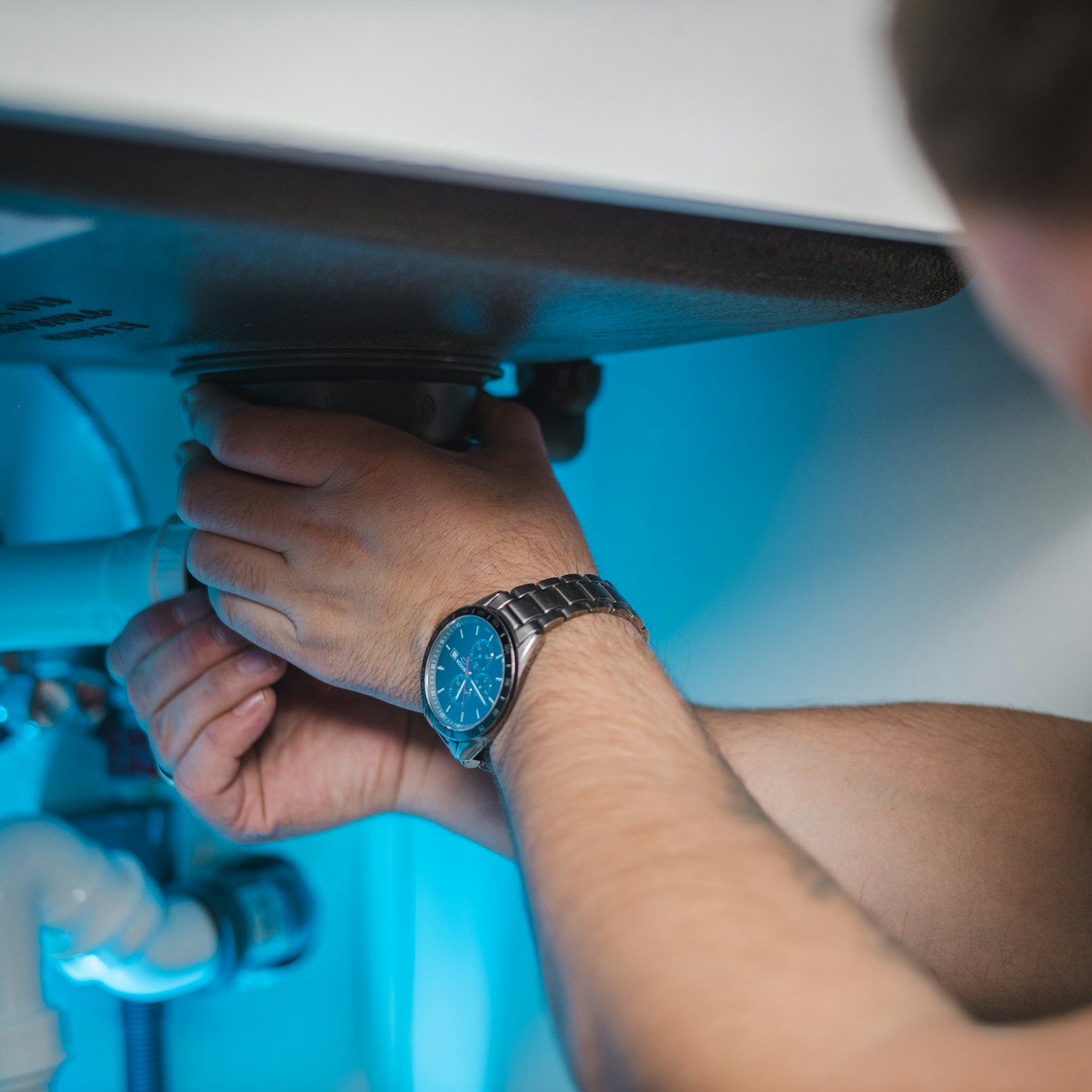
A drain that slows after heavy household or guest use may need clearing, but recurring blockage can point to a separate issue in the line. Snaking and hydro-jetting are different methods, and the pipe’s material, condition, and access can affect which is appropriate. Before arranging work in Grand Bend, note which fixtures are affected, when the problem began, and whether it repeats. For persistent clogs, ask whether a camera inspection would help identify a cause before selecting a repair.
Explore this serviceSend the location, symptoms, equipment and access details. State whether the work is a repair, replacement or planned project.
The request is reviewed so the responding provider can clarify the work, property access and service coverage.
Agree the provider identity, qualifications, written scope, pricing and visit window directly. Sending a form does not confirm an appointment.
If the property has low crawlspaces, later additions, or a separate pump room, document access and the locations of visible supply lines. These constraints can change routing, labor, and the areas that may need opening or repair. Ask for the proposed path of new piping through each difficult section before comparing scopes.
For a bunkie, bathroom addition, or new build, provide the fixture layout and construction stage before work is scoped. Supply and drain positions can affect framing, access, and the sequence of other trades. Ask which rough-in details, approvals, or inspections need to be confirmed for the project and what documentation will be provided.
For a seasonal property, ask what should be inspected when reopening and closing the home. A check may include pump operation, the pit, discharge routing, and backup equipment, depending on the installation. Share the property’s vacancy dates and access arrangements so any proposed schedule reflects the owner’s needs rather than an assumed rental calendar.
If well water leaves orange staining, obtain test results and ask which measured condition a proposed treatment addresses. Iron treatment may require staged equipment, while a softener addresses a different set of water characteristics. Confirm the intended treatment, maintenance needs, and operating limits before choosing a system or promising a particular result.
If the property has older or mixed pipe materials, identify any known repairs and share photos of accessible sections before choosing a cleaning method. Pipe condition can affect whether snaking or jetting is appropriate. Ask how the method will be selected for that line, rather than assuming all cottage-era piping can tolerate the same equipment.
Use the form to describe the property, the symptoms and the work requested. For Bayfield, Forest, Thedford, Port Franks, include your postal code so local coverage can be checked.
If your location is not listed, include its postal code with the requested work. Coverage, travel arrangements and scheduling must be confirmed directly with the provider.